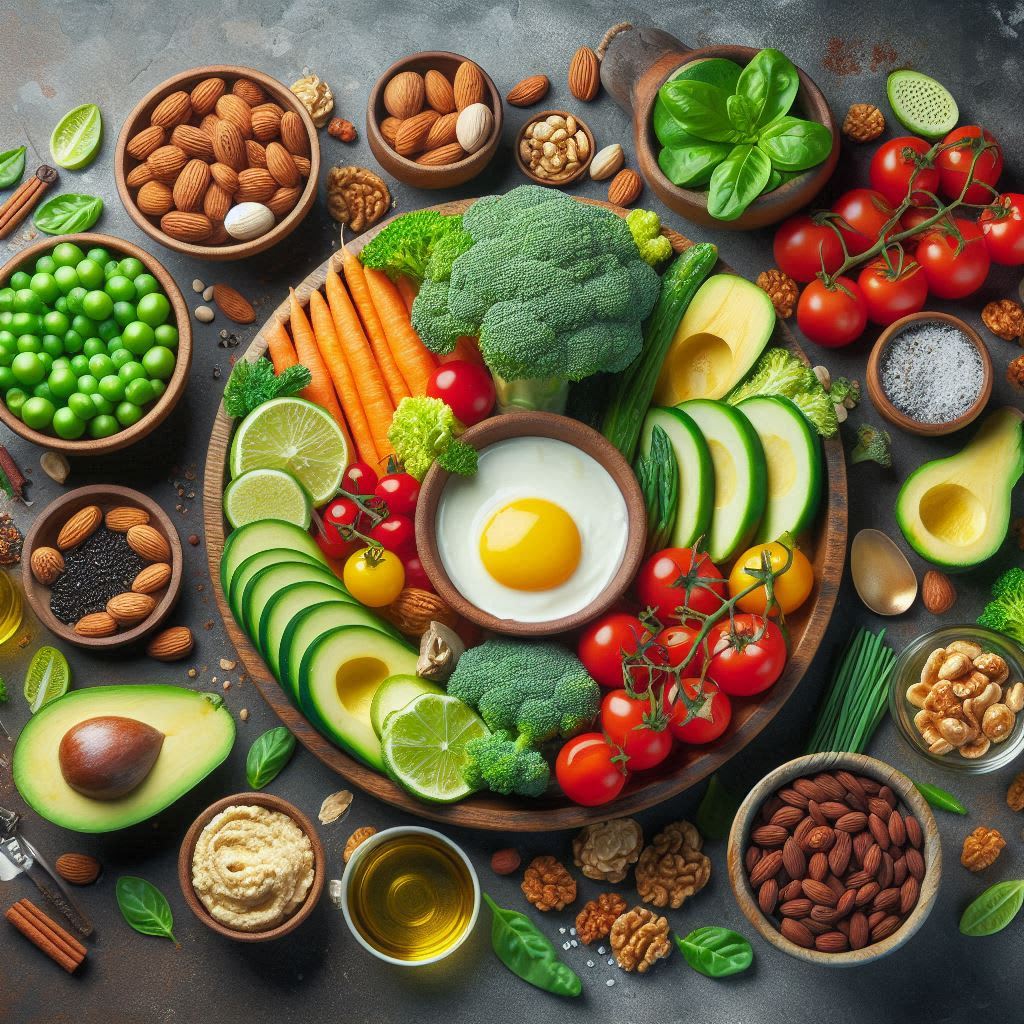
In recent years, plant-based eating has gained significant attention as a pathway to better health and well-being. A vegan or plant-based diet focuses on consuming whole, natural foods derived from plants, including fruits, vegetables, grains, nuts, seeds, and legumes. This lifestyle choice is not only beneficial for the environment but also offers numerous health advantages that make it worth considering.
1. Improves Heart Health
One of the most compelling reasons to adopt a vegan diet is its potential to improve heart health. Plant-based foods are typically low in saturated fats and cholesterol, helping to lower blood pressure and reduce the risk of cardiovascular diseases. Foods like leafy greens, berries, nuts, and whole grains are rich in antioxidants and nutrients that promote heart health.
2. Aids in Weight Management
Vegan diets are naturally lower in calories and higher in fiber, which can help with weight management. Fiber-rich foods like beans, lentils, and whole grains keep you feeling full for longer, reducing overeating and promoting healthy digestion.
3. Reduces Risk of Chronic Diseases
Studies suggest that people who follow plant-based diets have a lower risk of developing chronic diseases such as type 2 diabetes and certain types of cancer. Phytonutrients, found abundantly in plants, play a crucial role in reducing inflammation and protecting the body’s cells from damage.
4. Boosts Gut Health
A healthy gut is key to overall well-being, and vegan diets excel in this area. The high fiber content in plant-based foods supports a diverse and balanced gut microbiome, which improves digestion and strengthens the immune system.
5. Enhances Energy Levels
Plant-based foods are packed with essential vitamins, minerals, and nutrients that provide sustained energy. By eliminating heavy animal-based foods, many people experience increased vitality and reduced fatigue.
Tips for a Balanced Vegan Diet
- Include a variety of foods: Ensure you consume a wide range of fruits, vegetables, grains, and protein-rich plant sources to meet your nutritional needs.
- Focus on whole foods: Minimize processed vegan options and prioritize whole, nutrient-dense choices.
- Supplement wisely: Consider adding vitamin B12 and omega-3 supplements, as these can be challenging to obtain solely from plant-based sources.
Conclusion
Adopting a plant-based diet is not just a lifestyle change; it’s a step towards better health, environmental sustainability, and ethical living. By incorporating more vegan meals into your routine, you can enjoy a healthier, more energetic life while contributing to a more compassionate world. Why not give it a try? Your body, mind, and planet will thank you!